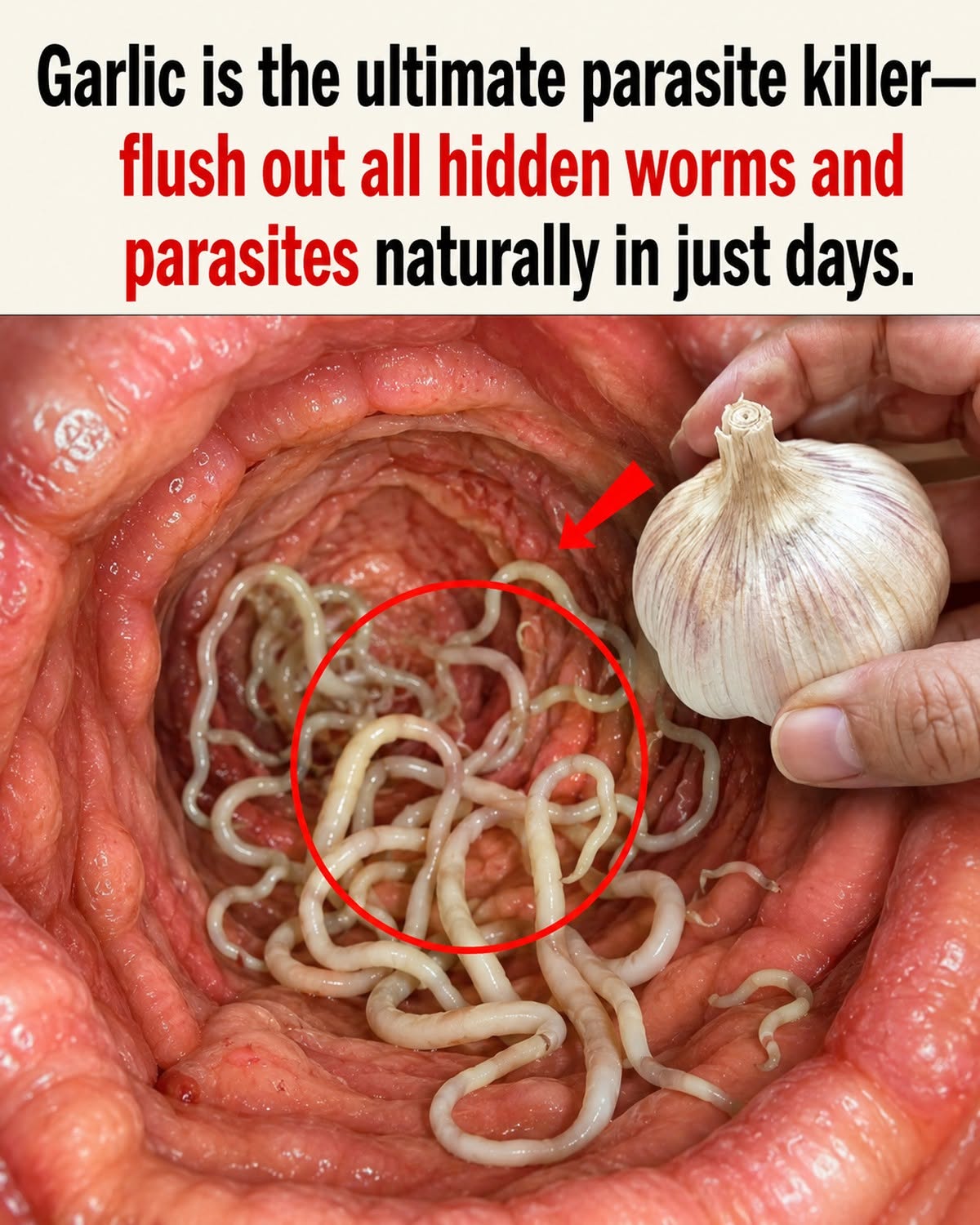
That sharp garlic bite that burns the tongue and lingers on the breath is not just flavor. The moment you crush a clove, you rupture tiny cells and set off a sulfur-loaded chemical burst that creates allicin, the compound researchers keep circling back to when they study bacteria, infections, and the body’s own defense system.
It’s a little like cracking open a smoke grenade inside a dry warehouse: nothing happens while the clove sits whole, but the instant you smash it, the air changes. That’s the part most people miss. Garlic doesn’t work like a sleepy seasoning sprinkled on top of dinner. It wakes up only when you break it apart.
GERD & Digestive Disorders
And that is exactly why so many people get the story wrong. They chew a cooked clove into soft, sweet nothingness and wonder why the punch feels weaker, while the real action happens in the raw, crushed flesh before heat can flatten it.
The ugly truth? The wellness machine loves complicated solutions, shiny bottles, and expensive labels. Wall Street doesn’t build empires around a bulb that leaves your kitchen smelling like a medieval apothecary, and that’s part of why the simplest fix gets the least applause.
But the mechanism is where this gets interesting. Garlic is not just “good for you” in some vague, polite way. It launches a Cellular Sledgehammer Reset that can batter microbial growth, flood the body with rust-stripping compounds, and stir up a hotter, more active internal defense response.
Crush a clove and let it sit for a moment, and the chemistry keeps building. Think of it like opening a paint can and stirring from the bottom: the heavy material doesn’t show itself until the whole thing is mixed, and then suddenly the contents are everywhere. That’s what happens inside garlic when the enzyme reaction gets the room it needs.